Dubai is a city of contrasts, where ultra-modern skyscrapers stand
alongside timeless cultural traditions. Amidst the fast-paced glamour of
the Emirates, a quiet culinary renaissance is taking root across living
rooms and offices. Discerning residents are looking beyond commercial
teabags, embracing mindful rituals centred on premium loose-leaf tea.
For those exploring this refined world, oolong tea has rapidly emerged
as one of the most captivating categories to discover.
Sitting gracefully between unoxidized green tea and fully oxidized
black tea, oolong offers an extraordinary spectrum of tastes, aromas,
and brewing characteristics. Whether you are a newcomer to specialty
loose-leaf infusions or an established connoisseur looking to deepen
your appreciation, understanding oolong unlocks a rewarding sensory
journey. This guide explores what makes oolong tea special, how to
navigate its diverse flavour profiles, what to expect from its caffeine
content, and how to brew the perfect cup right here in the UAE.
What
Makes Oolong Tea Unique? The Art of Partial Oxidation
To truly appreciate oolong tea, one must understand the craftsmanship
behind its creation. Unlike green tea, which is heated shortly after
harvesting, or black tea, which undergoes complete oxidation, oolong
occupies a fascinating middle ground. Known in Chinese as
wulong (meaning “black dragon” tea), oolong is subjected to
partial oxidation, ranging from ten to over eighty
percent.
This intricate process requires immense skill from master tea
artisans. Freshly plucked leaves are withered under the sun, gently
bruised in bamboo baskets to initiate enzymatic oxidation, and then
fired at precise moments to lock in specific flavour compounds. Because
the oxidation process can be halted at any exact stage, oolong tea
yields a diverse array of styles. Some varieties resemble vibrant, fresh
green teas with delicate floral bouquets, while others approach the rich
complexity of traditional black teas, complete with amber liquor and
toasted caramel undertones.
Navigating
Oolong Flavour Profiles: From Floral to Roasted
One of the greatest joys of exploring oolong tea in Dubai is the
sheer breadth of its flavour profile. Because tea bushes are cultivated
across diverse terroirs—from high-mountain peaks to rich artisanal
estates—each harvest tells a distinct story of soil, climate, and
heritage.
Generally, oolongs can be categorised into two primary stylistic
families:
- Lightly Oxidized, Ball-Rolled Oolongs: Oxidized
between fifteen and thirty percent, these leaves are tightly rolled into
small spheres. When steeped, they unfurl gracefully, releasing vibrant
floral aromas, creamy textures, and sweet aftertastes reminiscent of
orchids and spring meadows. - Darkly Oxidized, Strip-Style Oolongs: Oxidized up
to sixty or seventy percent and subjected to charcoal roasting, these
leaves display deep brown hues. Their liquor is amber or ruby-red,
offering comforting notes of roasted nuts, dark honey, stone fruits, and
subtle woody spice.
| Tea Category | Oxidation Level | Primary Flavour Characteristics | Ideal Steeping Approach |
|---|---|---|---|
| Green Tea | 0% (Unoxidized) | Grassy, vegetal, fresh, herbaceous | Cooler water, shorter steeping times |
| Oolong Tea | 10%–80% (Partial) | Floral, creamy, fruity, toasted, complex |
Multiple short infusions with hot water |
| Black Tea | 100% (Full) | Malty, brisk, robust, bold | Boiling water, single or dual steep |
Understanding
Caffeine in Oolong Tea: A Balanced Choice
For professionals navigating busy schedules across the Emirates,
managing daily caffeine intake is a common consideration. A frequent
question among newcomers is whether oolong tea contains high levels of
caffeine.
Because oolong is crafted from mature leaves and undergoes multiple
infusions, its caffeine content typically falls into a moderate
range—higher than white and green teas, yet generally lighter than a
standard cup of black tea or coffee. Furthermore, premium loose-leaf
oolongs contain natural amino acids such as L-theanine, which interact
smoothly with caffeine. This harmonious combination supports calm
alertness without sudden spikes or afternoon crashes. Incorporating a
warm cup of oolong into your daily routine provides a soothing sensory
anchor during demanding workdays.
How to Brew
Loose-Leaf Oolong Tea at Home
Unlocking the full potential of premium loose-leaf oolong requires
attention to a few foundational brewing principles. In a vibrant city
like Dubai, where water mineral content can vary, starting with filtered
water makes a noticeable difference to your final cup.
Here is a simple method to brew loose-leaf oolong in your
kitchen:
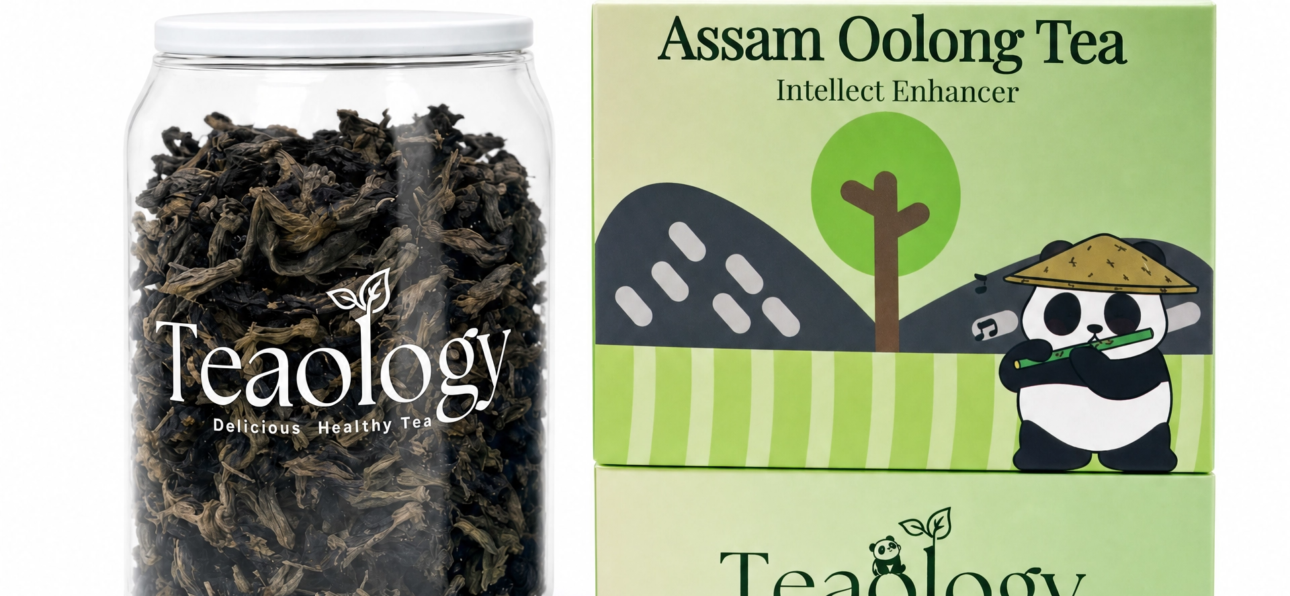
- Select Quality Leaf: Begin with roughly two to
three grams of loose-leaf oolong per cup. Premium selections, such as
the exquisite Organic Special Assam Oolong Tea, offer layered complexity
that rewards careful preparation. - Water Temperature: Heat fresh, filtered water to
approximately 85°C to 95°C. Avoid rolling boiling water for delicate
floral oolongs, as excessive heat can scorch tender leaves. - The Rinsing Infusion: Pour hot water over leaves
for ten to fifteen seconds, then discard this initial rinse. This gentle
step awakens the tightly rolled leaves, allowing them to unfurl and
release their full aromatic bouquet. - Steeping: Add fresh hot water and steep for one to
three minutes depending on leaf style and personal preference. - Multiple Infusions: One of the most remarkable
qualities of high-grade oolong is its ability to withstand multiple
steepings. Each subsequent infusion reveals new layers of flavour,
transforming from bright floral notes to deep warmth.
Elevating Your Daily
Tea Ritual in the UAE
In an energetic environment like the UAE, carving out moments of
stillness is essential for personal well-being. Transforming tea
preparation from a mechanical chore into a mindful ritual creates a
peaceful sanctuary within the home. Taking a few minutes to observe dry
leaves, listen to the murmur of warming water, and inhale unfolding
aromas provides a wonderful opportunity to reset the mind. Pairing this
comforting ritual with quiet reflection enriches daily life and brings a
touch of elegance to modern living.
Discover Premium
Loose-Leaf Oolongs Today
If you are eager to begin or expand your oolong journey, exploring
authentic, certified organic options is the ideal first step. Experience
exceptional craftsmanship and rich, nuanced character with our curated
Organic
Special Assam Oolong Tea, designed to bring warmth, sophistication,
and balance to your daily tea ritual.
Frequently Asked
Questions About Oolong Tea
What
is the main difference between green tea and oolong tea?
The fundamental difference lies in oxidation. Green tea leaves are
heated immediately after harvest to retain a fresh, vegetal character.
Oolong tea leaves are allowed to oxidise partially, developing a much
broader spectrum of floral, creamy, or roasted tasting notes.
Does oolong tea contain
caffeine?
Yes, oolong tea contains caffeine, typically sitting at a moderate
level between green tea and black tea. The exact amount varies by leaf
maturity and steeping duration, while natural amino acids help provide a
smooth, balanced energy experience.
Can oolong tea be
steeped multiple times?
Absolutely. High-quality loose-leaf oolongs are exceptionally
resilient and crafted to be steeped multiple times. Each successive
infusion unlocks different layers of flavour and aroma, making
loose-leaf oolongs remarkably economical and rewarding.
How
should loose-leaf oolong be stored in the UAE climate?
To maintain freshness in the warm UAE climate, store your loose-leaf
oolong in an airtight, opaque container away from direct sunlight,
moisture, and strong odours. Proper storage preserves delicate essential
oils and nuanced tasting notes.
Disclaimer: The information provided in this article is intended
solely for educational and informational purposes and should not be
construed as medical or nutritional advice.