When exploring the world of fine loose-leaf tea, few comparisons
spark as much curiosity as the debate between oolong tea and green tea.
Both exceptional beverages originate from the exact same botanical
plant, Camellia sinensis, yet they offer entirely distinct
sensory experiences. From the meticulous methods of traditional leaf
processing to the subtle interplay of terroir, oxidation, and infusion
temperatures, these two tea families occupy unique places in daily tea
rituals across the United Arab Emirates. Understanding what sets them
apart allows enthusiasts to curate a more intentional tea cabinet,
matching their cup to every moment of the day.
The
Botanical Common Ground and the Art of Processing
To appreciate the distinction between oolong tea and green tea, one
must understand how leaf processing dictates character. Every true tea
begins its journey as freshly plucked leaves from the Camellia
sinensis shrub. However, the divergence in taste, colour, and aroma
occurs almost immediately after harvest, primarily determined by
enzymatic oxidation.
Oxidation is the natural reaction that occurs when cellular walls
within the tea leaf are bruised or ruptured, allowing polyphenols to
interact with ambient oxygen. Master tea artisans manipulate this
natural chemical reaction through skilled application of heat, rolling,
and drying. While green tea represents minimal oxidation, oolong tea
bridges the gap between unoxidised green teas and fully oxidised black
teas, creating a fascinating middle ground of complexity.
What Is Green Tea?
The Pursuit of Freshness
Green tea is defined by its commitment to preserving the pristine,
unoxidised essence of the fresh leaf. Shortly after harvesting, artisan
producers halt oxidation using targeted heat. In traditional Chinese
methods, leaves are pan-fired in woks, imparting a toasted, nutty aroma.
In contrast, Japanese green tea production relies on steaming shortly
after plucking, locking in a vibrant emerald hue and delivering distinct
vegetal, grassy, and marine notes.
Because green tea undergoes virtually no oxidation, the resulting
infusion is light-bodied, pale green or golden-yellow in appearance, and
refreshing. The flavour profile often features notes of fresh-cut grass,
steamed spinach, and sweet bamboo, underpinned by a delicate
astringency. Brewing green tea requires mindfulness; water that is too
hot can scorch delicate leaves, resulting in bitterness. Optimal
preparation usually involves water heated to between 75°C and 85°C,
infused for two to three minutes.
What Is
Oolong Tea? The Masterclass in Partial Oxidation
If green tea is an ode to youthful freshness, oolong tea is a
masterclass in craftsmanship, patience, and transformation. The term
oolong (derived from the Chinese wulong, meaning
“black dragon”) describes a diverse family of teas that undergo partial
oxidation. Depending on the desired style—ranging from lightly oxidised
floral varieties to heavily roasted dark oolongs—oxidation spans
anywhere from ten to eighty percent.
The production of premium oolong tea is widely regarded as a
labour-intensive craft. After withering, leaves are carefully bruised
along their edges to initiate partial oxidation, then repeatedly rolled
and roasted over charcoal or bamboo embers. This intricate choreography
yields leaves twisted into tight spheres or delicate semi-spheres. When
steeped, oolong leaves unfurl gracefully, releasing multilayered aromas
that evolve over multiple steepings. The flavour profile offers floral
orchid notes, creamy textures, stone fruit sweetness, or deep, warming
woodsmoke.
Key
Differences Between Oolong Tea and Green Tea
| Feature | Green Tea | Oolong Tea |
|---|---|---|
| Oxidation Level | Minimal (0% to 5%) | Partial (10% to 80%) |
| Primary Processing | Steaming or pan-firing to halt oxidation |
Withering, bruising, partial oxidation, and roasting |
| Flavour Profile | Vegetal, grassy, fresh, and slightly brisk |
Floral, creamy, fruity, or roasted and woody |
| Liquor Colour | Pale yellow, bright green, or soft amber |
Golden-yellow, honeyed amber, to rich chestnut |
| Steeping Temperature | Lower (75°C – 85°C) | Moderate to high (85°C – 95°C) |
| Infusion Potential | Best enjoyed for 1 to 2 initial steeps |
Excellent for multiple gongfu-style infusions |
Exploring
Flavour Profiles and Sensory Nuances
The sensory journey of comparing oolong tea and green tea extends far
beyond a single cup. Green tea rewards the drinker with an immediate,
clean brightness that revitalises the palate. It is an ideal companion
for quiet mornings or moments when mental clarity and gentle
invigoration are desired. Its straightforward elegance ensures that the
pure character of the terroir shines through unhindered.
Oolong tea invites contemplation and discovery. Because of its wide
oxidation spectrum, a single loose-leaf oolong can transform
dramatically from the first steep to the fourth. A lightly oxidised
high-mountain oolong might present sweet floral aromas reminiscent of
jasmine, while a deeper, dark-roasted oolong yields comforting notes of
toasted grain and honey. For connoisseurs seeking depth and dynamic
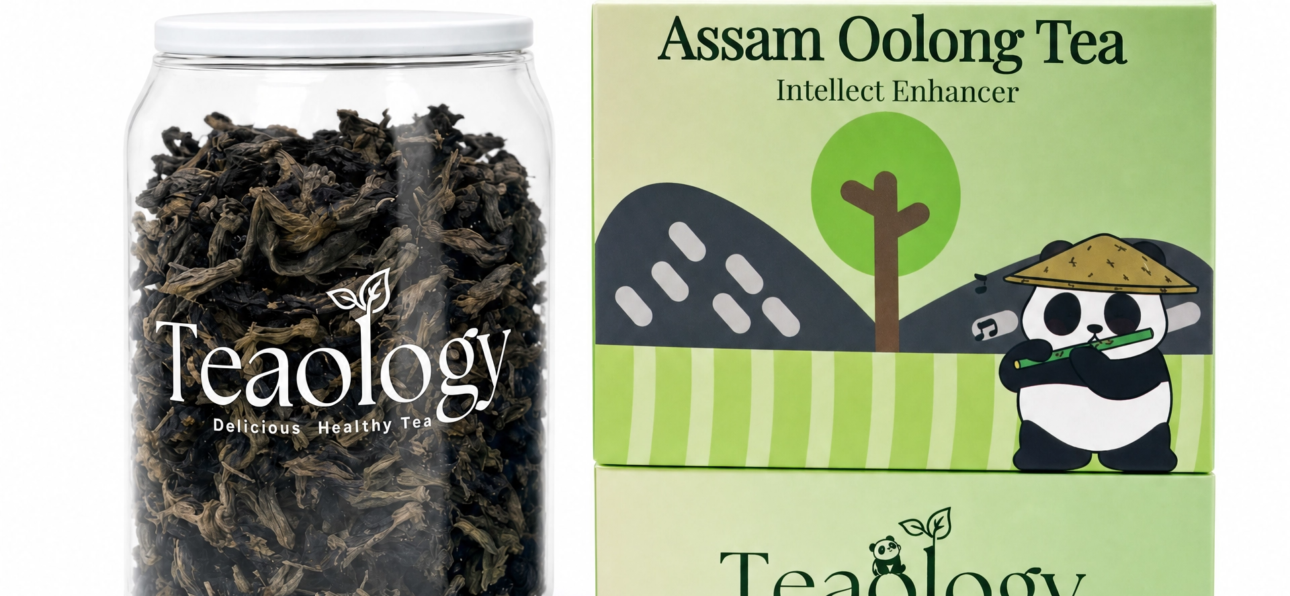
evolution, exploring exceptional options such as an Organic
Special Assam Oolong Tea reveals the extraordinary versatility
inherent in masterfully crafted oolong leaves.
Selecting the
Right Brew for Your Daily Ritual
Choosing between oolong tea and green tea depends on personal
preference, lifestyle, and the atmosphere you wish to cultivate. There
is no right or wrong choice, only different chapters in artisanal tea
appreciation.
For those who favour crisp, clean hydration with a bright herbal
finish, a high-grade loose-leaf green tea provides an uplifting daily
staple. For tea enthusiasts who enjoy lingering over complex aromas,
savouring shifting flavour notes across multiple infusions, and
experiencing a richer mouthfeel, oolong tea offers an unmatched sensory
adventure. Many tea lovers keep both in their pantry, pairing the bright
awakening of green tea with morning hours and the grounding complexity
of oolong tea with reflective afternoons.
Frequently Asked Questions
Does
oolong tea contain more caffeine than green tea?
Caffeine content varies based on leaf maturity, processing methods,
and water temperature during steeping. Generally, oolong tea and green
tea contain moderate caffeine levels, typically falling below black tea
or coffee. Because oolong teas are often made from mature leaves
harvested later in the season, and green teas from tender early flushes,
individual caffeine levels can overlap significantly.
Can
both green tea and oolong tea be steeped multiple times?
While green tea is traditionally enjoyed for one or two primary
infusions to capture delicate freshness, oolong tea is uniquely suited
for multiple steepings. Premium loose-leaf oolongs, particularly tightly
rolled styles, withstand repeated hot water infusions. With each
subsequent steep, the tightly wound leaves gradually unfurl, releasing
new layers of aroma and complex flavour.
How
should loose-leaf green and oolong teas be stored?
Proper storage is essential for preserving aromatic compounds and
freshness. Both green and oolong teas should be kept in airtight, opaque
containers away from direct sunlight, high humidity, heat sources, and
strong odours. Sealed ceramic caddies or metal tins kept in a cool, dark
cupboard ensure your tea remains vibrant for months.
What
water temperature is best for brewing oolong tea versus green tea?
Water temperature plays a crucial role in extracting flavours without
introducing bitterness. Green tea requires gentler heat, ideally between
75°C and 85°C, to protect delicate amino acids and fresh character.
Oolong tea, possessing sturdier cellular structure and higher oxidation,
benefits from slightly hotter water, typically ranging between 85°C and
95°C, allowing rich floral and roasted notes to bloom.
Disclaimer: This article is intended solely for informational
purposes and should not be construed as medical advice. Always consult
with a qualified healthcare professional regarding any health-related
inquiries or lifestyle adjustments.