Blog Title: How to Store Loose Leaf Tea in Dubai’s
Heat and Humidity
SEO Title: How to Store Loose Leaf Tea in Dubai: Expert
Guide
Meta Description: Master how to store loose leaf tea in
Dubai with our expert guide. Protect your organic tea from heat and
humidity to preserve delicate aromas.
Focus Keyword: how to store loose leaf tea dubai
URL Slug: how-to-store-loose-leaf-tea-dubai
Suggested Category: Tea Care & Education
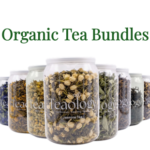
Suggested ImageAlt Text: Airtight tin containers
storing premium organic loose leaf tea in a cool Dubai kitchen
pantry
Primary Internal Link:
https://teaology.ae/all-teas/
For connoisseurs of fine tea residing in the United Arab Emirates,
experiencing the rich aromas and nuanced tasting notes of high-grade
organic loose-leaf tea is an essential daily ritual. However, the unique
climate of the region presents distinct environmental challenges for the
preservation of delicate botanical leaves. Understanding how to
store loose leaf tea dubai residents can maintain pristine
freshness becomes paramount when managing ambient temperatures that
frequently soar and humidity levels that fluctuate dramatically between
coastal air conditioning and outdoor heat.
When premium tea leaves are harvested, processed, and packaged, they
retain a fragile equilibrium of essential oils, natural moisture, and
aromatic compounds. In a subtropical desert environment like Dubai,
external heat and moisture act as catalysts for rapid degradation.
Without deliberate preservation strategies, delicate white teas, vibrant
green teas, complex oolongs, and robust black teas can lose their
characteristic vibrancy within weeks. Protecting your artisanal
collection ensures that every infusion delivers the intended sensory
profile, transforming an ordinary afternoon pause into a comforting
ritual.
The UAE Climate
Challenge: Why Storage Matters
The geography of the UAE creates an indoor-outdoor microclimate where
powerful air conditioning systems operate alongside high ambient
humidity. When containers are moved between cool indoor spaces and
warmer kitchen environments, condensation can form inside packaging.
Moisture is the primary enemy of dried tea leaves; even microscopic
amounts of water vapor can trigger premature oxidation, mold growth, and
the complete loss of delicate floral or grassy notes.
Furthermore, ambient heat accelerates the breakdown of volatile
organic compounds within the leaf. Just as fine spices lose their
potency when exposed to kitchen heat near a stove, loose-leaf tea
suffers when stored in unshielded glass jars placed on sunlit
countertops. By exploring proper preservation techniques, tea
enthusiasts can safeguard their investment and enjoy optimal flavour
integrity throughout the year.
The Four
Environmental Enemies of Loose-Leaf Tea
To master storage in the Emirates, one must understand the four
primary environmental factors that degrade dried tea leaves over time.
Each factor interacts with the organic compounds of the leaf, altering
its chemical composition and diminishing the overall drinking
experience.
1. Moisture and Humidity
Humidity in coastal hubs like Dubai can infiltrate imperfect seals
with ease. When dry tea leaves absorb ambient moisture, their cellular
structure softens, initiating enzymatic reactions that dull the taste.
Storing tea in moisture-sealed containers equipped with silicone gaskets
or double-lids is essential.
2. Excessive Heat
Kitchen counters situated near ovens or sunlight-drenched windows
expose tea to elevated temperatures. Heat causes volatile aromatic oils
to evaporate prematurely. Ideally, tea should be kept in a cool pantry
or cupboard where temperature swings are minimized.
3. Light Exposure
Ultraviolet radiation and visible light degrade chlorophyll and other
light-sensitive compounds in tea leaves. Clear glass jars, while
aesthetically pleasing, invite light degradation unless kept inside a
completely dark cupboard. Opaque tins, ceramic caddies, or amber glass
provide superior protection.
4. Oxygen and Ambient Odours
Tea leaves are naturally porous and act as efficient sponges for
ambient odours. Storing loose tea near spices, coffee beans, or fragrant
cooking oils will result in unwanted flavor contamination. An airtight
barrier prevents oxygen exchange while keeping kitchen aromas at
bay.
Comparing Tea Storage
Materials
Selecting the right container is critical for long-term freshness.
The table below outlines the suitability of common storage materials for
the Dubai climate.
| Container Material | Light Protection | Moisture Barrier | Odour Resistance | Best Suited For |
|---|---|---|---|---|
| Opaque Metal Tins | Excellent | Good (with double lid) | High | Daily use and short-to-medium storage |
| Ceramic Caddies | Excellent | Good (with silicone seal) | High | Countertop display inside shaded pantries |
| Clear Glass Jars | Poor | Good (with airtight lid) | High | Pantries with zero light exposure only |
| Vacuum-Sealed Pouches |
Excellent | Excellent | High | Long-term preservation of delicate greens |
Best Practices for
Airtight Storage in Dubai
Implementing a robust storage routine requires attention to detail,
particularly in homes where air conditioning creates indoor condensation
risks. Follow these professional guidelines to maintain your collection
in pristine condition:
- Portion Your Supply: Divide large bulk purchases
into smaller, daily-use caddies while keeping the remainder sealed in
vacuum packs in a cool, dark location. This limits the frequency with
which your primary stash is exposed to ambient air. - Choose Opaque Containers: Prioritize stainless
steel, double-lidded tinplate, or glazed ceramic containers that
completely block ultraviolet and visible light. - Ensure Airtight Seals: Verify that rubber gaskets
or silicone rings on container lids are intact and form a secure
compression seal. - Select the Right Location: Dedicate a cool, dry
lower pantry shelf or drawer away from ovens, kettles, and dishwashers
where steam and heat accumulate. - Avoid Refrigeration: While refrigeration is
sometimes recommended in temperate zones, the extreme humidity
variations and condensation risks inside typical domestic refrigerators
in the UAE make cooling inadvisable for dried tea.
Sourcing and
Enjoying Organic Tea in the UAE
Maintaining high standards of storage is most rewarding when applied
to exceptional, ethically sourced botanicals. As part of a balanced
lifestyle and a refined wellness routine, selecting premium organic
loose-leaf varieties ensures purity and depth of flavor. For those
seeking an exquisite variety of artisanal blends, exploring curated
collections such as those available at Teaology provides an inspiring
introduction to world-class infusions that elevate any daily pause.
Whether you prefer the gentle vegetal notes of a high-mountain green
tea or the robust maltiness of a single-origin black tea, proper
preservation protects the craft of the grower from farm to cup.
Frequently Asked Questions
How
long does loose leaf tea typically remain fresh in Dubai?
When stored correctly in airtight, opaque containers away from heat
and light, most quality loose-leaf teas retain their optimal flavour
profile for 12 to 24 months. Green and white teas are best consumed
within the first year, while tightly rolled oolongs and aged pu-erh teas
can evolve gracefully over longer periods.
Should
I store my loose-leaf tea in the refrigerator or freezer?
Refrigeration is generally discouraged in humid climates like the
UAE. Each time you remove a cold container into a warm, humid room,
condensation forms on the leaves, introducing moisture that ruins the
batch. Room-temperature pantry storage in an airtight container is much
safer.
Can
I reuse old tea tins that previously held coffee or spices?
It is not recommended. Tea leaves are highly porous and readily
absorb lingering aromas from coffee beans, herbs, or spices. Reusing
unwashed or heavily scented containers will impart unwanted flavours
onto your delicate organic teas.
How
do I know if my stored tea has spoiled or lost its quality?
Spoiled or degraded tea typically lacks aroma when dry and produces a
flat, cardboard-like taste when brewed. If you notice visible moisture
clumping inside the container or a complete absence of the tea’s
characteristic fragrance, it is best replaced.
Ready to elevate your daily wellness routine with exceptional organic
leaves? Explore the artisanal range available at Teaology to find your next
favourite brew.
Disclaimer: This article is for informational purposes only and
does not constitute medical advice, diagnosis, or treatment.