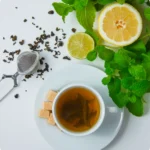
There is a quiet alchemy that takes place when a vibrant blue
infusion meets a sharp squeeze of fresh citrus. For tea enthusiasts
across the United Arab Emirates seeking moments of mindful pause,
preparing blue butterfly pea tea with lemon offers both
a sensory delight and a fascinating glimpse into botanical chemistry.
When the deep indigo brew transforms into a radiant violet or magenta
right before your eyes, everyday tea-drinking elevates into an engaging
ritual.
Understanding the mechanics behind this remarkable transformation
deepens our appreciation for natural botanicals. Rather than relying on
artificial colorants, this captivating shift is driven entirely by
natural compounds found within the petals of the Clitoria
ternatea plant. Whether you are unwinding after a busy workday or
hosting an elegant afternoon gathering, exploring this brew adds a touch
of wonder to your daily routine.
The Botanical
Origins of Butterfly Pea Flowers
The butterfly pea plant is a perennial vine native to equatorial
Asia, thriving in warm climates and rich soils. Its striking, deep blue
blossoms have been treasured for centuries across traditional culinary
and beverage cultures in Southeast Asia, where they are celebrated for
their vivid pigmentation and gentle, earthy flavour profile.
In recent years, discerning tea connoisseurs in the UAE have embraced
loose-leaf butterfly pea flowers as a sophisticated addition to their
pantries. At Teaology, sourcing premium organic loose-leaf botanicals
ensures that every steep delivers the authentic aroma, pristine clarity,
and rich colour concentration characteristic of the finest harvests.
When brewed on its own, the dried petals release a tranquil sapphire
liquor with subtle woody and herbaceous undertones, completely naturally
and caffeine-free.
The
Chemistry of Colour: Anthocyanins as Natural Indicators
The secret to why blue butterfly pea tea with lemon
undergoes such a dramatic chromatic transformation lies within a class
of water-soluble pigments known as anthocyanins. Anthocyanins are
responsible for the vibrant blues, purples, reds, and pinks found in
many flowers, fruits, and vegetables, including blueberries, red
cabbage, and dark grapes.
In botanical terms, anthocyanins act as natural pH indicators. The
chemical structure of these pigment molecules is sensitive to the
acidity or alkalinity of their surrounding environment. When the dried
butterfly pea petals are steeped in hot water, the resulting infusion is
typically neutral to slightly alkaline, causing the anthocyanin
molecules to reflect light in the blue spectrum.
| Solution pH State | Environment | Dominant Ion Form | Observed Visual Hue |
|---|---|---|---|
| pH 7.0 – 8.0 | Neutral to Mildly Alkaline | Quinoidal Base | Deep Royal Blue / Indigo |
| pH 4.0 – 6.0 | Weakly Acidic | Flavilium Cation (Balanced) | Vibrant Violet / Purple |
| pH 1.0 – 3.0 | Strongly Acidic | Flavilium Cation (Dominant) | Bright Magenta / Pink |
When you introduce a few drops of fresh lemon juice—which contains
citric acid—the pH level of the liquid drops significantly. This shift
in acidity alters the electron configuration of the anthocyanin
molecules, changing how they absorb and reflect light waves.
Consequently, the hue shifts seamlessly from tranquil blue through
twilight violet to striking magenta.
Crafting the
Ideal Brew: Step-by-Step Guidance
Preparing a striking cup of blue butterfly pea tea at home requires
attention to water temperature and steeping duration to extract the
optimal depth of pigment and flavour.
- Select Quality Botanicals: Begin with whole,
undamaged petals to ensure an unadulterated base rich in natural
essential oils and pigments. - Boil and Cool Slightly: Bring freshly filtered
water to a rolling boil, then allow it to rest for approximately one
minute so the temperature settles near 95°C. Boiling water that is too
harsh can sometimes flatten delicate floral notes. - Steep to Perfection: Add one to two teaspoons of
loose-leaf petals to your teapot or infuser per cup of water. Allow the
mixture to steep undisturbed for five to seven minutes until the liquid
achieves a rich, opaque royal blue. - Strain and Marvel: Strain the petals away, pouring
the clear sapphire infusion into a glass cup or porcelain teacup. - The Citrus Transformation: Squeeze fresh lemon
juice into the tea gradually. Observe the swirling currents as the blue
base transitions into vibrant purple shades. Stir gently to distribute
the acidity evenly.
Enhancing Your Daily
Wellness Ritual
Beyond its visual appeal, incorporating herbal infusions into your
daily schedule provides a wonderful opportunity to slow down and
practice mindfulness. The gentle, caffeine-free nature of butterfly pea
flower tea makes it a versatile beverage suitable for any time of day.
Whether enjoyed warm during cooler winter evenings in the UAE or served
over ice with a sprig of fresh mint during warmer months, it serves as a
comforting ritual that complements a balanced lifestyle.
For those who enjoy culinary experimentation, the colour-changing
property opens up delightful possibilities for hosting. Layering chilled
butterfly pea tea over citrus-infused simple syrup or sparkling tonic
water creates stunning layered beverages that impress guests before a
single sip is taken. Pairing the herbal earthiness of the tea with light
notes of honey or lemongrass further elevates the tasting experience
without overpowering the botanical profile.
Frequently Asked Questions
Why
does butterfly pea flower tea turn purple with lemon?
The tea contains natural plant pigments called anthocyanins, which
function as pH indicators. Adding acidic lemon juice lowers the pH of
the liquid, altering the molecular structure of the pigments and
changing the reflected light from blue to violet and pink.
Does adding lemon
change the taste of the tea?
Yes, lemon introduces a bright, citrusy acidity that complements the
mild, earthy, and slightly woody baseline flavor of the butterfly pea
infusion, resulting in a refreshing and well-rounded taste profile.
Is
butterfly pea flower tea naturally caffeine-free?
Indeed, pure butterfly pea flower tea is completely caffeine-free,
making it an excellent soothing beverage choice for evening relaxation
or for those monitoring their daily caffeine intake.
How
should loose-leaf butterfly pea flowers be stored?
To preserve their vibrant color and delicate aroma, store your
loose-leaf tea in an airtight container away from direct sunlight,
moisture, and strong odors in a cool, dry cupboard.
Experience the Magic with
Teaology
Elevate your daily tea ritual and explore the mesmerizing botanical
artistry of colour-changing infusions in your own home. To begin your
journey with premium, sustainably sourced botanicals, discover the
exceptional Teaology
Organic Butterfly Pea Flower Tea and add a touch of natural wonder
to your pantry today.
Disclaimer: The information provided in this article is for
general informational and educational purposes only and is not intended
to serve as medical advice, diagnosis, or treatment.