Stepping into the vibrant world of herbal infusions reveals few
botanicals as striking or culturally celebrated as hibiscus. With its
deep, jewel-toned ruby infusion and invigorating aroma, hibiscus tea has
captured the imagination of discerning tea enthusiasts across the United
Arab Emirates and beyond. For those exploring this botanical treasure
for the first time, one central question naturally arises: what
does hibiscus tea taste like? Understanding the distinct
sensory profile of hibiscus opens the door to a sophisticated,
caffeine-free daily ritual that delights the senses and elevates
everyday moments.
What Does Hibiscus Tea Taste
Like?
The primary characteristic that defines premium hibiscus tea is its
wonderfully bold, tart, and tangy profile. Derived from the deep crimson
calyces of the Hibiscus sabdariffa plant, the infusion delivers
an upfront vibrancy that immediately awakens the palate. Many tea
connoisseurs compare the taste to fresh cranberries, tart pomegranate
seeds, or sharp red currants. This natural acidity provides a crisp,
refreshing edge that stands apart from milder herbal blends such as
chamomile or peppermint.
Beneath the initial tangy brightness lies a subtle, pleasant
earthiness and a faint floral sweetness that rounds out the experience.
Because hibiscus is completely caffeine-free, this intense fruit-forward
character is never masked by bitterness from tea leaves, provided it is
brewed with care. Whether enjoyed piping hot on a quiet evening or
served ice-cold during the peak of a warm UAE afternoon, the flavour
remains remarkably clean, lively, and quenching.
| Infusion Type | Primary Taste Notes | Acidity Level | Caffeine Content | Ideal Serving Temperature |
|---|---|---|---|---|
| Organic Hibiscus | Tart cranberry, pomegranate, subtle earthiness |
High | Caffeine-Free | Hot or Iced |
| Chamomile | Apple, honey, subtle hay, mellow floral |
Low | Caffeine-Free | Hot |
| Peppermint | Intense menthol, cooling herb, clean finish |
None | Caffeine-Free | Hot or Iced |
| Green Tea | Grassy, vegetal, seaweed, light astringency |
Low | Moderate | Warm |
The Art
of Sourcing: Premium Organic Loose-Leaf Hibiscus
To truly appreciate the complex flavour profile of hibiscus, the
quality of the botanical selection matters immensely. Commercial tea
bags often contain finely ground fannings and dust that result in a
flat, overly astringent brew. In contrast, premium organic loose-leaf
hibiscus consists of whole or gently broken dried calyces that retain
their natural essential oils, vibrant pigments, and rich aromatic
compounds.
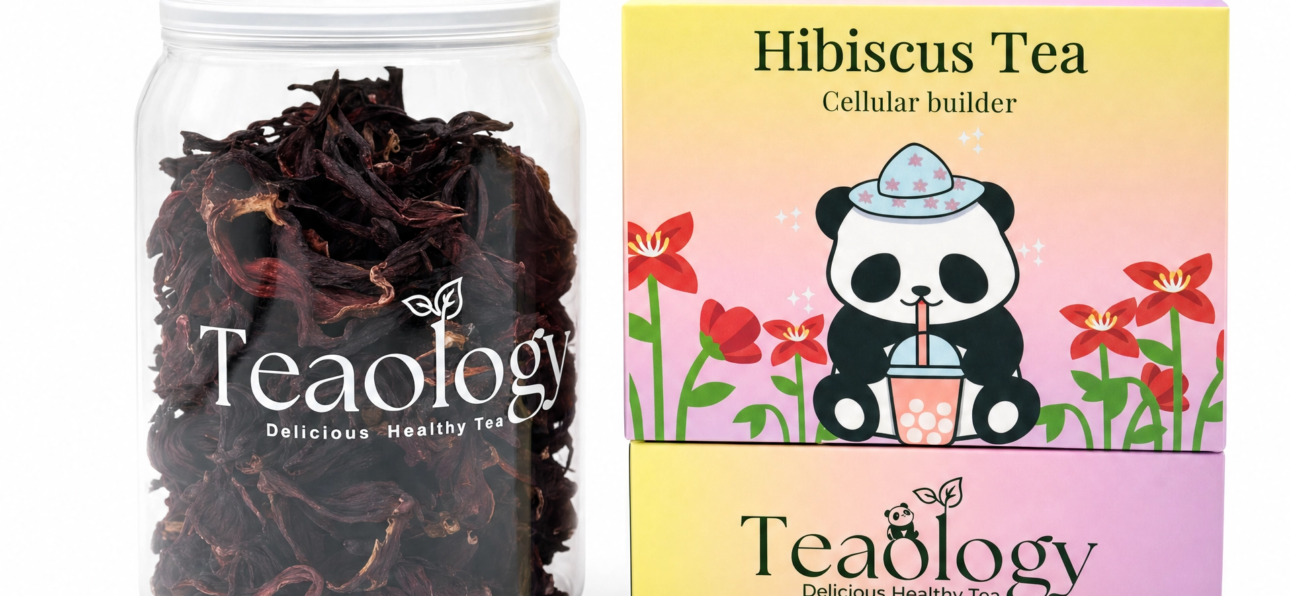
When you examine high-grade loose-leaf hibiscus, the calyces should
appear plump, deep crimson, and uniform in texture, free from artificial
additives or dust. Sourcing certified organic botanicals ensures that
every cup delivers an authentic, unadulterated taste of nature. At
Teaology, our curated collection reflects a dedication to uncompromising
quality, bringing exceptional loose-leaf selections to connoisseurs
throughout the UAE. To explore our signature botanical offering, visit
our dedicated Hibiscus Tea page
and discover a superior standard of loose-leaf excellence.
How to Brew
Hibiscus Tea: Hot and Cold Preparation
Mastering the preparation of loose-leaf hibiscus is wonderfully
straightforward, yet slight adjustments in technique can transform a
good cup into an extraordinary sensory experience. Because hibiscus
calyces are robust, they withstand boiling water exceptionally well,
allowing their full spectrum of flavours to unfurl.
Hot Brewing Method
For a comforting, warming ritual, place one to two teaspoons of
loose-leaf hibiscus into a infuser teapot or mug. Pour freshly boiled
water—ideally at a rolling boil around 95°C to 100°C—directly over the
calyces. Allow the infusion to steep undisturbed for five to seven
minutes. The liquid will rapidly transform into a luminous ruby-red
masterpiece. Strain the calyces and enjoy it plain, or soften the
natural tartness with a touch of raw organic honey or agave syrup if
desired.
Iced Infusion Method
In the warm climate of the UAE, chilled hibiscus tea serves as an
exceptionally refreshing companion. Prepare a concentrated brew by using
slightly more loose-leaf hibiscus and steeping it in boiling water for
seven minutes. Strain the liquid and allow it to cool to room
temperature before placing it in the refrigerator. Serve over cracked
ice, garnished with fresh mint leaves, a slice of lime, or a curl of
orange zest for an elevated artisan presentation.
Creative Culinary and
Serving Pairings
The assertive, tangy profile of hibiscus tea makes it a versatile
ingredient far beyond a standalone beverage. Its bright acidity acts as
a wonderful palate cleanser, pairing harmoniously with a variety of
culinary creations.
- Pastries and Confectioneries: The tartness of
hibiscus cuts effortlessly through rich, buttery butter biscuits, almond
pastries, and dark chocolate desserts, balancing sweetness with vibrant
contrast. - Savory Pairings: Serve iced hibiscus alongside
light Mediterranean salads, grilled seafood, or spiced mezze platters to
refresh the palate between savory bites. - Artisan Mocktails: Use chilled hibiscus infusion as
the robust base for sophisticated alcohol-free summer coolers, layered
with sparkling water, muddled berries, and botanical herbs.
Integrating hibiscus into your daily routine offers a moment of
mindful pause. Whether you seek a vibrant afternoon pick-me-up without
caffeine or an elegant centrepiece for hosting guests, loose-leaf
hibiscus delivers a sophisticated sensory journey from the very first
sip.
Frequently Asked Questions
Is hibiscus tea
naturally caffeine-free?
Yes, hibiscus tea is 100% naturally caffeine-free. Because it is
brewed entirely from the calyces of the hibiscus plant rather than
Camellia sinensis leaves, it makes an ideal evening beverage or
a soothing choice for anyone seeking to limit their daily caffeine
intake without compromising on flavour.
Can hibiscus tea be
enjoyed cold or iced?
Hibiscus tea is exceptionally well-suited for cold preparation. Its
bold, tart character remains vibrant and quenching even when chilled
over ice, making it a popular and refreshing beverage choice in warm
climates.
How long should
loose-leaf hibiscus be steeped?
For optimal flavour extraction, loose-leaf hibiscus should typically
be steeped in boiling water for five to seven minutes. Extending the
steeping time deepens the ruby hue and intensifies the tartness,
allowing you to tailor the strength to your personal taste
preference.
What is
the best way to store loose-leaf hibiscus tea?
To preserve its aromatic compounds, vibrant colour, and fresh taste,
loose-leaf hibiscus should be stored in an airtight, opaque container
away from direct sunlight, heat, and moisture. Proper storage ensures
your tea maintains its superior quality for months.
Disclaimer: This article is for informational purposes only and
is not intended to diagnose, treat, cure, or prevent any medical
condition.