The morning ritual of preparing a warm cup of green tea is an
invitation to mindfulness, calm, and sensory appreciation. For
connoisseurs across the UAE, selecting premium organic loose-leaf tea
represents a commitment to quality and well-being. Yet, a common
frustration often arises when that anticipated moment of relaxation is
interrupted by an unexpectedly harsh, astringent, or bitter taste. If
you have ever wondered how to brew loose leaf green tea
without sacrificing its delicate floral and grassy notes, you are
certainly not alone. Bitterness in green tea is rarely a reflection of
poor leaf quality alone; rather, it is almost always the result of
extraction chemistry. Mastering the delicate balance of water
temperature, steeping duration, and leaf ratio transforms your daily
ritual into a consistently smooth and deeply satisfying experience.
The Chemistry Behind
Green Tea Bitterness
To understand how to prevent bitterness, we must first examine what
happens inside the teapot when hot water meets green tea leaves. Unlike
heavily oxidized black teas, green tea leaves undergo minimal
processing, retaining high concentrations of natural compounds such as
catechins, polyphenols, and amino acids—specifically L-theanine.
Catechins are responsible for the characteristic briskness and
astringency of green tea, while amino acids contribute sweetness and
umami depth. When water that is too hot is poured over the leaves, or
when the leaves steep for too long, catechins and tannins extract much
faster than the sweet amino acids. This chemical imbalance creates that
sharp, tongue-puckering bitterness that turns many people away from
green tea. By adjusting your brewing parameters, you can selectively
extract the desirable aromatic and sweet compounds while leaving the
harsh elements behind.
| Compound | Role in Green Tea | Extraction Sensitivity |
|---|---|---|
| L-Theanine | Provides natural sweetness and umami flavour |
Extracts quickly at lower temperatures |
| Catechins | Contributes briskness and antioxidant properties |
Extracts moderately; bitter at high heat |
| Tannins | Creates mouthfeel and dry astringency | Extracts heavily with prolonged steeping |
Essential Elements for a
Flawless Brew
Achieving the ultimate cup requires attention to four fundamental
variables: water quality, leaf-to-water ratio, water temperature, and
steeping time. Each element plays a decisive role in shaping the final
flavour profile in your cup.
1. Water Quality and Mineral
Balance
Because tea is more than ninety-eight percent water, the liquid you
use forms the foundation of your brew. Tap water containing high levels
of chlorine or mineral hardness can react with tea polyphenols, dulling
the vibrant taste profile. Using filtered or bottled spring water with a
low mineral content allows the subtle nuances of premium loose leaves to
shine through without unwanted chemical interference.
2. The Ideal Leaf-to-Water
Ratio
Precision matters when measuring loose leaves. Using too much tea can
overwhelm the infusion, leading to excessive astringency even with
correct water temperatures. As a general guideline, start with
approximately two grams of loose leaf green tea (roughly one rounded
teaspoon) per two hundred milliliters of water. This proportion ensures
a well-balanced extraction where the flavours are neither too watery nor
overwhelmingly concentrated.
3. Temperature Control: The
Sweet Spot
This is where most brewing errors occur. Boiling water (100°C) is
ideal for robust black herbal infusions or sturdy oolongs, but it will
instantly scald delicate green tea leaves. The optimum water temperature
for most loose leaf green tea ranges between 75°C and 85°C (167°F to
185°F). If you do not have a variable-temperature kettle, simply bring
your water to a boil and let it rest with the lid open for five to seven
minutes to cool down before pouring.
4. Steeping Duration
Green tea requires patience and brevity. While black teas often steep
for four to five minutes, most premium green teas require only one to
three minutes of extraction time. Leaving the leaves in hot water beyond
three minutes invites tannins to flood the liquor, introducing heavy
astringency. Tasting your tea at the two-minute mark helps you determine
your preferred strength for subsequent infusions.
Step-by-Step Brewing Guide
Putting these principles into practice ensures a consistently
delightful cup every single time. Follow this refined step-by-step
method to elevate your daily tea preparation.
| Step | Action | Detail & Guideline |
|---|---|---|
| Step 1 | Warm the Vessels | Rinse your teapot or mug with hot water to prevent thermal shock and maintain brewing temperature. |
| Step 2 | Measure Leaves | Place approximately 2 grams of organic green tea into your infuser or pot. |
| Step 3 | Cool the Water | Heat filtered water to boiling, then allow it to cool to between 75°C and 85°C. |
| Step 4 | Gentle Pour & Steep | Pour water evenly over the leaves. Cover and steep for 2 to 3 minutes. |
| Step 5 | Strain Completely | Remove the infuser immediately to halt extraction and prevent lingering bitterness. |
Following these steps allows you to explore complex flavour profiles
without unpleasant harshness. For tea lovers looking to expand their
horizons with exceptional artisanal selections, discovering unique
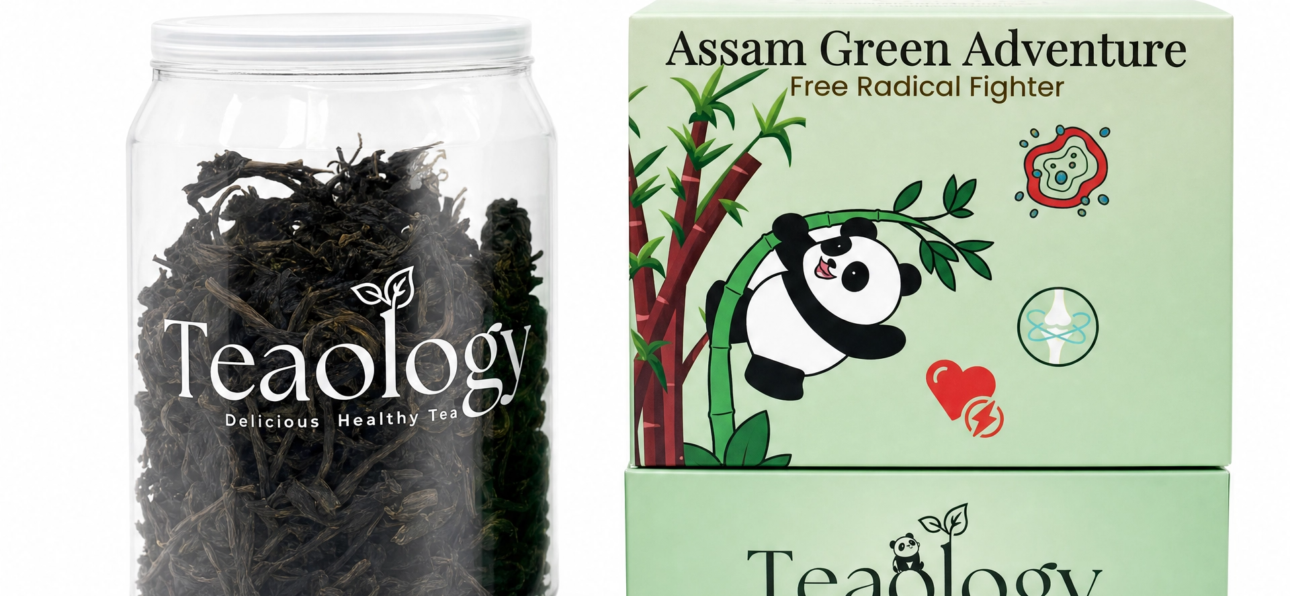
varieties like the expertly curated blends available through Teaology
offers a wonderful way to appreciate the art of specialty loose leaf
tea.
Elevating Your Daily
Wellness Routine
Brewing loose leaf green tea is far more than a culinary task; it is
a mindful pause in a bustling day. The gentle aroma rising from the
teapot, the soothing warmth of the ceramic cup, and the clean,
refreshing taste all contribute to a balanced lifestyle and a comforting
ritual. Whether you enjoy a cup during a quiet morning reflection or as
an afternoon pause, treating the preparation process with care honours
the craftsmanship behind organic leaves. By focusing on correct water
temperatures and precise timing, you unlock a smoother, more complex cup
that makes green tea an absolute pleasure to drink.
Frequently Asked Questions
Can I
reuse loose leaf green tea for a second infusion?
Yes, high-quality loose leaf green tea can typically be steeped two
to three times. For subsequent infusions, reduce the steeping time by
half and slightly increase the water temperature to gently coax out
remaining subtle flavours.
Why
does my green tea taste bitter even with cooler water?
If your water temperature was correct, bitterness is likely caused by
using too many tea leaves or steeping for too long. Try reducing the
leaf quantity or shortening the steep time by thirty seconds.
Should I
cover the teapot while steeping green tea?
Covering your teapot or mug helps maintain a stable internal
temperature throughout the short steeping window, ensuring an even and
thorough extraction of delicate aromatic compounds.
Does water
type really affect the taste of green tea?
Water composition significantly impacts tea flavour. Heavily
chlorinated or hard tap water can mask delicate notes, whereas filtered
or soft spring water provides a clean canvas that highlights the natural
character of the tea.
Disclaimer: This article is for informational purposes only and
is not intended to diagnose, treat, cure, or prevent any medical
condition.